THE JOURNAL / COLOSSUS LUX
Large Landscape Wall Art: Choosing Photography That Holds a Big Wall
Landscape wall art is easy to buy small and hard to buy well at large size. A modest print asks only whether you like the scene. A large landscape asks more: whether the scene can hold a wall, whether the file can hold the size, and whether the subject still makes sense when a viewer can walk up to it and stand inside the details.
That is the real dividing line in this category. Many images are sold at sizes their source files cannot support, in subjects that go quiet once they are enlarged. The result fills space without giving anything back. Good large landscape wall art does the opposite. From across the room it establishes a mood and a horizon. Up close, it offers bark, grass, stone, and water that reward attention.
What makes a landscape work at scale
Scale exposes structure. A large piece needs a composition that is clear from a distance and interesting up close, and those two demands pull in different directions.
From a distance, the image needs a simple organization: a horizon line, a tree line, a band of water, a field of dunes with a clear pattern of light. If the structure is confusing at twenty feet, size will not save it. From close range, the image needs texture and detail that were actually captured, not enlarged into softness. That is where method matters.
Colossus Lux is the fine art practice of Vitor Lindo. It is built around gigapixel photography, stitching hundreds of photographs into a single image, with prints in feet not inches. A landscape printed at eight or ten feet wide shows every weakness in a file. A stitched image holds detail across that width, so a section of marsh grass or a line of oak bark remains specific when a viewer stands a foot away. The process is described in the post on making a fine art landscape photograph on this site, for readers who want the technical side.
The Savannah Convention Center installation shows what that approach produces at the extreme end. Four permanent photographic works, each 15 feet wide by 53 feet tall, completed in March 2025, form the largest photographic artwork ever installed in Savannah. I delivered the photography and the print ready gigapixel files for that project, and worked closely with the venue team, architects, builders, fabricators and installers. Most homes and offices need nothing near that scale. The lesson still applies at six feet: resolution must be planned for the final size, not hoped for afterward.
Good large landscape wall art does the opposite.
Choosing a subject by the room, not by a trend
The best subject for a space depends on the light in the room, the colors that are already fixed, and how the room is used. A few patterns from my own work in the Lowcountry and along the Georgia coast are worth noting.
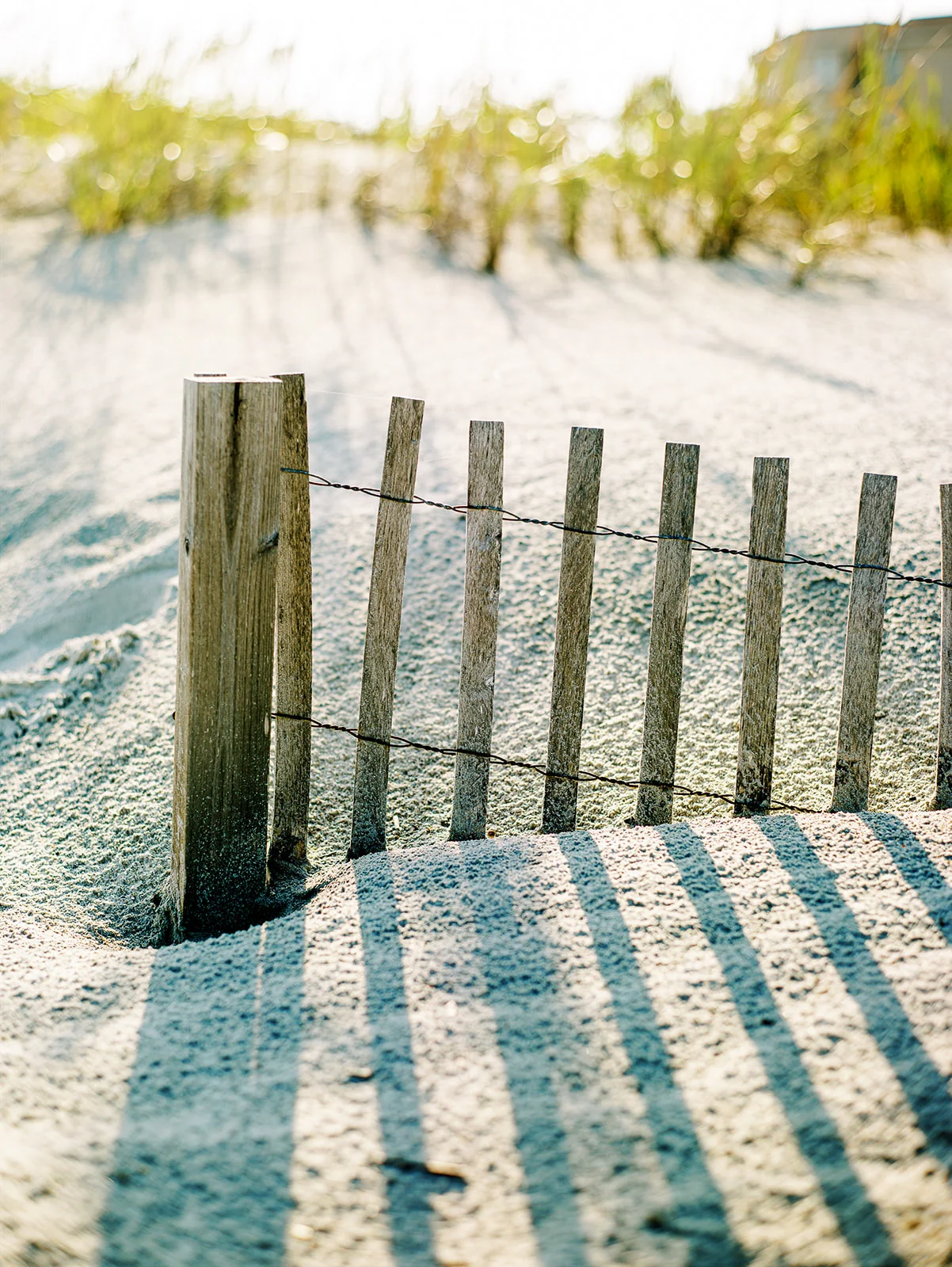
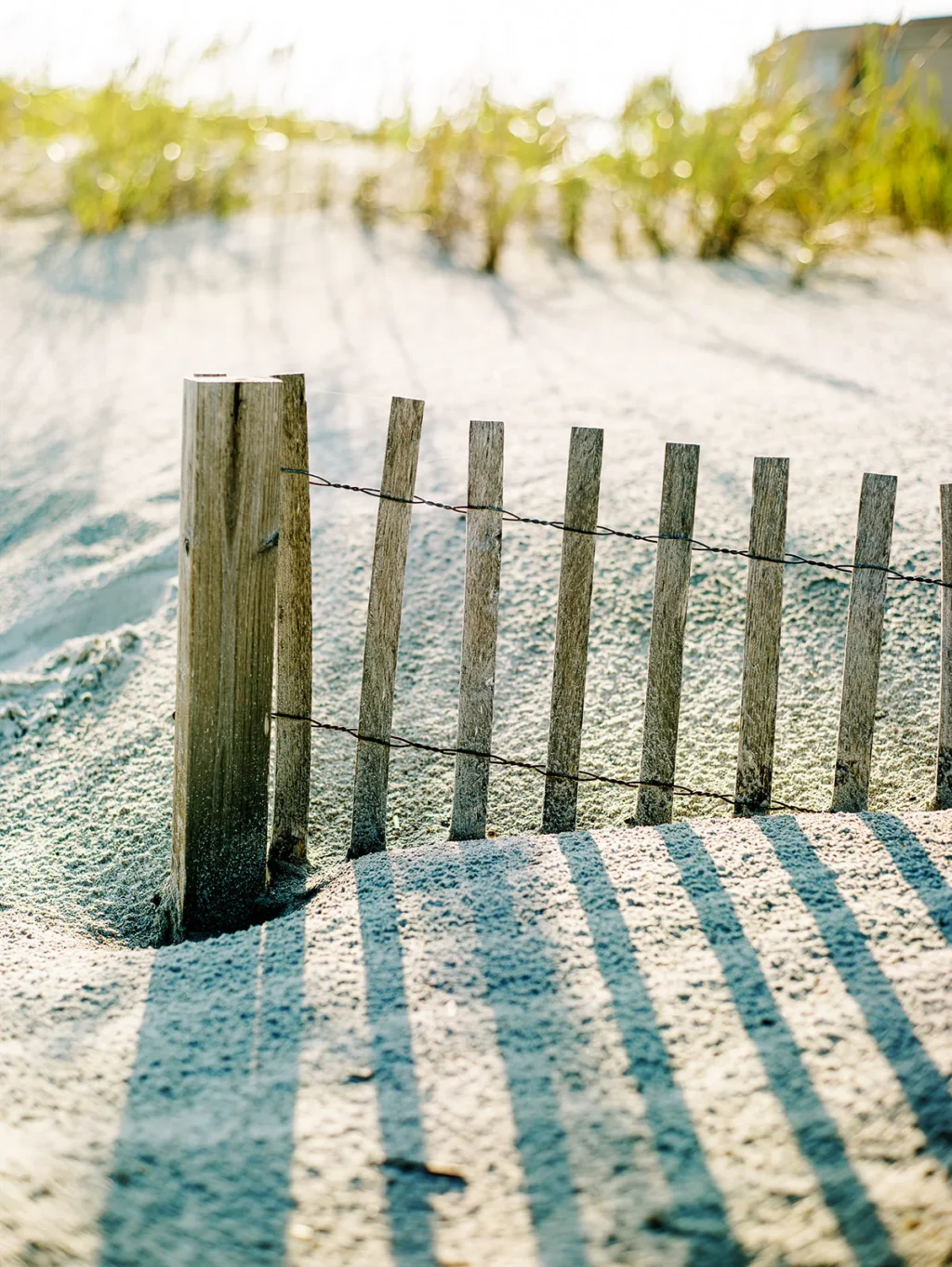
Tidal marsh gives horizontal calm. Its bands of water, grass, and sky suit living rooms, primary bedrooms, and workplaces that need a quiet wall. Live oaks give structure and shade, with strong branching that holds up in color and in restrained treatments. Dunes give pattern and movement, and work well where a room has plain surfaces and needs texture more than color. Shore scenes at blue hour or last light give deeper tone, better for dining rooms and studies than for bright, white walled spaces. Waterlilies and still water give detail at close range, a good choice where people sit near the work.
A short way to test a subject against a room:
- Rooms with hard surfaces and little fabric benefit from an image with organic texture: grass, bark, dune patterns.
- Rooms with busy furnishings benefit from a simpler scene: open water, a clean horizon, a single tree line.
- Rooms with low natural light benefit from a brighter image, often a morning or coastal scene.
- Rooms with strong fixed color, such as stone or wood that will not change, need a subject chosen to sit with that color, not compete with it.
Trends are a poor guide here. A large landscape is a long term object. Choose a place you have a reason to look at for years.
Landscape photography prints vs generic landscape images
There is a difference between landscape photography prints made by a photographer as finished work, and landscape images licensed as decoration. Both can look pleasant in a small online preview. At large size, the differences become physical.
A print made as fine art work has a known source file, a defined size range the artist will stand behind, and a surface and finish chosen for that image. A generic image is often sold at any size a store offers, regardless of the file, because the seller has no relationship to the photograph.
Ask direct questions before buying large:
- What is the largest size the artist recommends for this image?
- How was the file made, and will detail hold at the size I want?
- What surface and finish do you recommend for my room, and why?
- Is the work part of an edition, and how is that recorded?
- Who do I contact if the piece is damaged?
An artist or a serious gallery can answer all five without hesitation. Vague answers at this stage usually mean the size is being sold first and justified later.
Framed landscape photography, and when to skip the frame
Framed landscape photography remains the right choice for many homes. A frame gives a large piece a finished edge in a traditional room, separates the image from a strongly colored wall, and protects the surface. Wood tones can tie a photograph to flooring or furniture. A thin metal frame can keep a modern room from feeling heavy.
At very large sizes, framing has practical limits. Weight rises, glass becomes a glare and safety question, and a wide frame can compete with the image. Alternatives worth considering include:
- A print mounted on a rigid panel with a matte protective surface, clean and quiet on the wall.
- Acrylic faced work for depth and color in rooms with controlled light.
- A photographic wall application for very large or tall walls, as in the Convention Center work.
- A floater frame, which gives an edge without a heavy border.
There is no hierarchy in that list. The right choice follows the room, the light, and how close people will stand to the work. The wall art size guide on this site can help with dimensions once the format is chosen. The prints page shows the current Colossus Lux work and the formats offered for it.
Placement: size, height, and breathing room
Large landscape wall art needs space around it to read as a landscape. Crowding a ten foot image with shelves, sconces, and nearby frames breaks the sense of distance that makes a landscape restful.
Center a large piece on the main wall of the room, or on the furniture it relates to, and let it be the only major object on that surface. Hang it so the center of the image sits near eye level for a standing viewer in a public or work space, and slightly lower in a living room where people are usually seated. Those are starting points, not rules, and the proportions of the room should have the last word.
In Atlanta area homes and Savannah coastal houses, I see the same placement error repeated: a good landscape bought at a good size, then pushed high on a tall wall to fill vertical space. A landscape wants a horizon relationship with the viewer. If a wall is tall, the answer may be a taller format or a work designed for tall walls, not a horizontal scene raised out of reach.
Continue the conversation
If you are selecting landscape wall art for a home, a hotel, or a workplace, Colossus Lux offers large landscape work made to hold its size, from Lowcountry marsh and live oaks to dunes and coastal shore. Based in Metro Atlanta and working in Savannah and the Lowcountry, we can talk through subject, size, and finish for your wall. Send the dimensions of the space and a photograph of the room, and we will start with what the wall actually needs.